Skip to content

Business Disputes

Commercial Disputes

Commercial disputes come down to money, time and relationships. A business that is owed money needs to recover it without spending more than the claim is worth. A business facing a claim needs to understand its exposure quickly and decide whether to contest, settle or restructure. Our commercial disputes practice is organised around those practical questions.
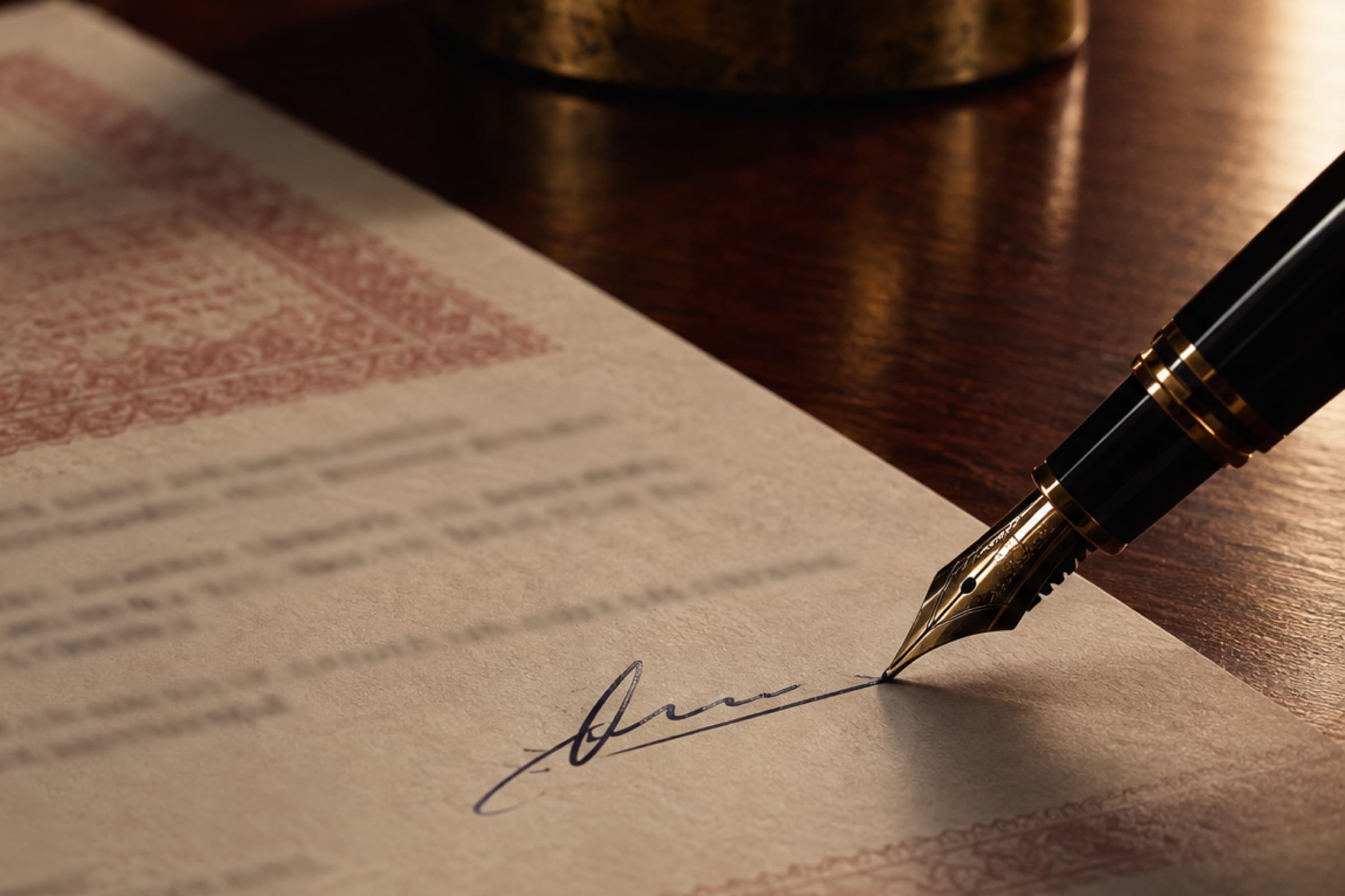
An agreement on stamp paper being signed with a fountain pen

Overview

We advise proprietors, partnerships, family-owned businesses and companies in disputes over supply, service, distribution and agency contracts, construction work and commercial leases. Recovery may run through civil suits, summary procedure, cheque dishonour complaints or, where appropriate, the insolvency law. We also advise partners and shareholders when relationships within a business break down.

Since the Commercial Courts Act, 2015, disputes above a specified value follow their own procedure. That means fixed timelines for written statements, case management hearings and, in most cases, compulsory mediation before a suit can be filed. We work within that framework deliberately: we use mediation where it can close a dispute sensibly, and we prepare for trial from the start where it cannot.

Scope

What we handle.

  • Contractual disputes

    Claims and defences arising from breach of contract, including damages, specific performance, injunctions and disputes over how commercial terms should be read.

  • Recovery of money

    Recovery suits, including summary suits on written contracts and negotiable instruments, and attachment before judgment where a defendant may dispose of assets to defeat a decree.

  • Commercial Courts and pre-institution mediation

    Suits before the Commercial Courts, starting with the mandatory pre-institution mediation required unless urgent interim relief is sought, and conducted under the stricter rules on pleadings, disclosure and evidence.

  • Cheque dishonour

    Complaints and defences under Section 138 of the Negotiable Instruments Act, 1881, from the statutory demand notice through trial, interim compensation and appeal.

  • Partnership and shareholder disputes

    Dissolution and accounts of partnership firms, disputes among partners of limited liability partnerships, and petitions alleging oppression and mismanagement in companies before the National Company Law Tribunal.

  • Insolvency-related proceedings

    Advice to creditors and to businesses on proceedings under the Insolvency and Bankruptcy Code, 2016, including filing or opposing applications and submitting claims in a resolution process.

  • Delayed payments to small enterprises

    References to the Micro and Small Enterprises Facilitation Council to recover payments owed to registered micro and small enterprises, with the statutory interest that delayed payment attracts.

  • Urgent interim relief

    Injunctions, status quo orders and other interim measures to protect assets, goods, confidential information or the existing position while a dispute is decided.

Approach

How we approach a matter.

  1. Step I

    Assessing the position

    Before any proceeding, we review the contract, the correspondence and the payment trail to judge the strength of the claim or defence, the time limits running and what the client realistically needs from the dispute.

  2. Step II

    Choosing the route

    A civil suit, a summary suit, a cheque complaint, an MSE reference, arbitration or insolvency: each carries different costs, timelines and consequences. We recommend the route that fits the facts and the client's objectives, and explain the reasons.

  3. Step III

    Acting on time

    Commercial procedure leaves little room for delay. Notices go out within the statutory periods, documents are disclosed as the rules require, and interim relief is sought early where assets or goods may be put out of reach.

  4. Step IV

    Negotiating from preparation

    A well-prepared case is a sound basis for a sensible settlement. We take part in mediation and negotiation where they serve the client, and press on to judgment where they do not.

Questions

Questions clients ask.

What makes a dispute a 'commercial dispute'?

The Commercial Courts Act, 2015 lists the transactions it covers. They include ordinary transactions of merchants and traders, supply and distribution agreements, franchising, construction and infrastructure contracts, partnership agreements, insurance, and agreements concerning immovable property used exclusively in trade or commerce. The Act applies where the claim is worth at least three lakh rupees. Such disputes go to the Commercial Courts or Commercial Divisions and follow a stricter procedure than ordinary civil suits.

Is mediation compulsory before filing a commercial suit?

Generally, yes. Unless the suit seeks urgent interim relief, the plaintiff must first attempt pre-institution mediation, which is conducted through the Legal Services Authorities. The Supreme Court has held this requirement to be mandatory. Time spent in mediation is excluded when computing limitation, and a settlement reached in mediation has the same status and effect as an arbitral award.

A business cheque has been returned unpaid. What are the time limits?

Under the Negotiable Instruments Act, 1881, a written demand notice must be sent to the drawer within thirty days of receiving the bank's information that the cheque was returned unpaid. If payment is not made within fifteen days of the drawer receiving the notice, a complaint may be filed within one month after those fifteen days expire. The cheque must also have been presented while it was valid. Courts apply these limits strictly.

Can insolvency proceedings be used to recover a debt?

The Insolvency and Bankruptcy Code, 2016 is not a recovery procedure in the ordinary sense. It is a collective process for resolving a debtor's insolvency. An application against a company is admitted only on a default above the statutory threshold and, for an operational creditor, only where there was no genuine pre-existing dispute. The process has serious consequences for everyone involved, and the Code has been amended several times, most recently in 2026. Whether it is the right route should be weighed carefully against civil and other remedies.

What can be done when partners or shareholders fall out?

That depends on how the business is structured. For a partnership, the deed's dispute clause comes first, and it often provides for arbitration; otherwise the Indian Partnership Act, 1932 provides for dissolution and the taking of accounts. In a company, shareholders who meet the statutory qualifying threshold may petition the National Company Law Tribunal for relief against oppression and mismanagement, and the Tribunal's powers are wide. Early advice helps preserve records and avoid steps that weaken a position.

Principal statutes

  • Commercial Courts Act, 2015
  • Code of Civil Procedure, 1908
  • Indian Contract Act, 1872
  • Specific Relief Act, 1963
  • Sale of Goods Act, 1930
  • Negotiable Instruments Act, 1881
  • Insolvency and Bankruptcy Code, 2016
  • Indian Partnership Act, 1932
  • Limited Liability Partnership Act, 2008
  • Companies Act, 2013
  • Micro, Small and Medium Enterprises Development Act, 2006
  • Arbitration and Conciliation Act, 1996
  • Limitation Act, 1963

Where these matters are heard

  • Commercial Courts at the district level
  • Commercial Division of the High Court of Delhi and Commercial Appellate Divisions of the High Courts
  • Civil courts (non-commercial and lower-value suits)
  • Courts of Judicial Magistrates (cheque dishonour complaints)
  • National Company Law Tribunal and National Company Law Appellate Tribunal
  • Micro and Small Enterprises Facilitation Councils
  • Legal Services Authorities (pre-institution mediation)
  • High Court of Judicature at Allahabad, High Court of Delhi and the Supreme Court of India

Insights

Further reading.

Informational notes on developments in Indian law and procedure, and on questions clients often ask. They are general in nature and are not a substitute for advice on your own facts.
Read the insights

Begin with a conversation.

A consultation of about an hour with an advocate of the firm, to understand your position and the options open to you. Fees are discussed and agreed beforehand.